You can boost your communication skills by listening actively, speaking clearly, and organizing your thoughts. Also, pay attention to your tone, body language, and emotions. With consistent effort, you will become more confident, empathetic, and persuasive in every conversation.
This article has been reviewed and updated with current information, new examples, and the latest academic requirements for 2026
Communication skills are essential for academic success and career advancement. Learn practical strategies to improve both writing and speaking. See our Writing Techniques Guide.
Strong communication is a key to building good relationships, working well in teams, and growing personally. No matter whether you are sharing ideas with a group, sending an email, or talking with someone one-on-one, the way you express yourself will affect how others understand you. So, you must learn how to communicate well. In addition to that, you should regularly practice to improve your communication skills. In case you are clueless about how to build your communication skills, read this blog and follow the tips we have recommended. It will help you speak more clearly, feel more confident, and connect better with others.
Why Communication Skills Matter
Clear expression of your thoughts is important in both personal and professional life because it helps prevent misunderstandings and build trust. Communication is more than just speaking; it also involves listening carefully, using the right tone, observing body language, and being aware of emotions.
Generally, developing these skills will make teamwork smoother, help you handle conflicts constructively, and strengthen relationships. If you are in a leadership or team role, then communicating with clarity, preparation, and empathy will allow you to inspire confidence and work more effectively with others.
Key Strategies to Improve Communication Skills
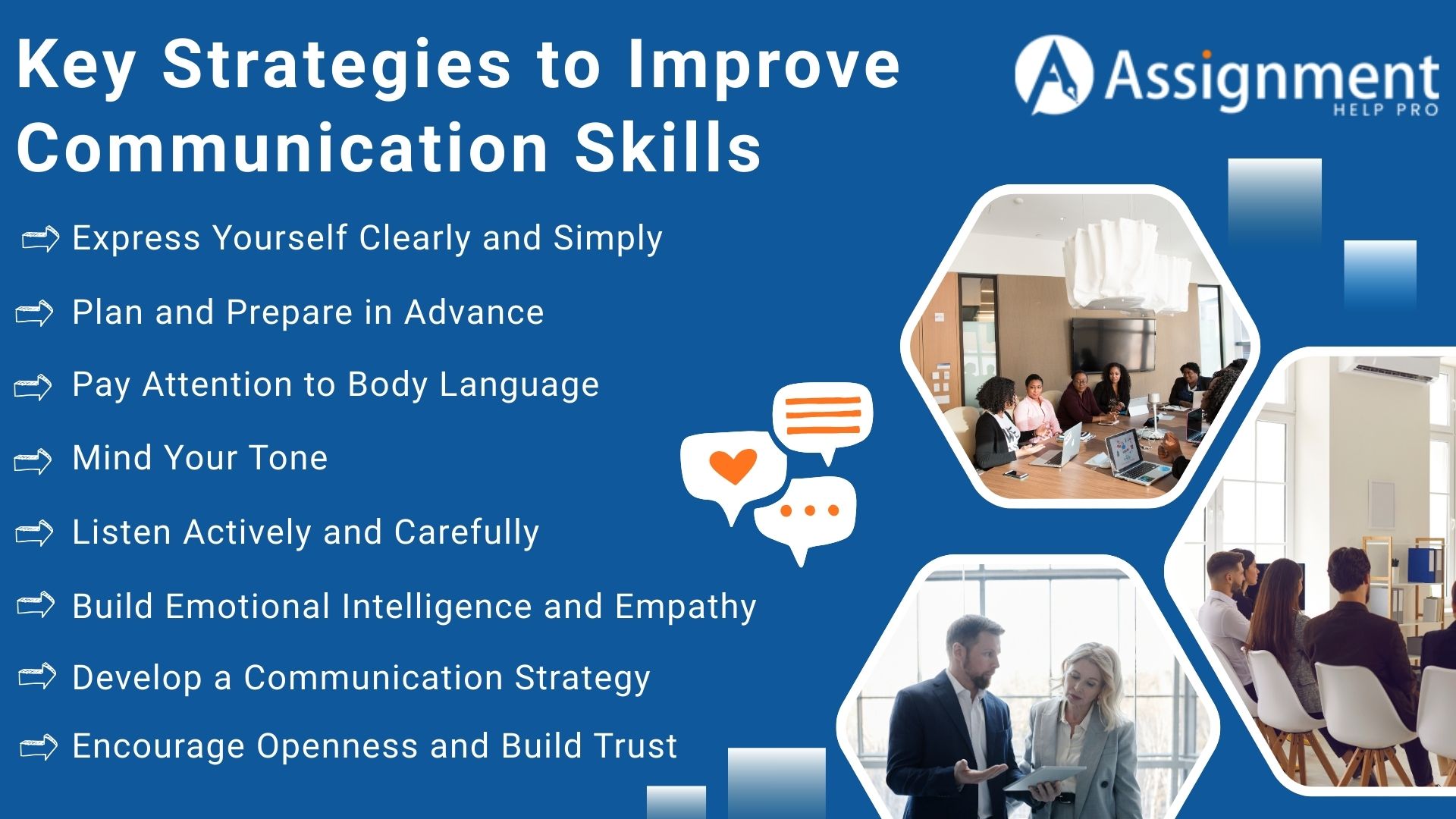
The way you speak will create a major difference. Hence, try to communicate effectively. Usually, proper communication will make it easy for your listeners to understand what you are trying to convey. In case you are interested in learning about communication techniques, send a ‘Take My Online Class for me’ request to experts. They will assist you in strengthening your communication abilities.
Are you struggling to say what you think? If yes, then enhance the way you communicate by implementing these key strategies
1. Express Yourself Clearly and Simply
First, think about what you want to say before you speak or write. Specifically, you should know your goal and who you are talking to. Then, ask yourself what your listener needs to understand. This will help you stick to the important points and avoid extra words. When communicating, don’t repeat yourself unless it truly adds value.
2. Plan and Prepare in Advance
Preparation doesn’t mean memorizing what you want to say. It means thinking about the whole conversation from start to finish. Initially, try to predict what questions or concerns might come up. If the topic is sensitive or important, gather the facts or examples you might need. This tactic will help you stay confident, respond calmly, and keep the conversation on track.
3. Pay Attention to Body Language
Not just your words, your actions also matter. Things like your facial expressions, gestures, posture, and eye contact can say even more than what you speak. If your tone or body language does not match your words, people may feel something is off or hard to trust. So, pay attention to these signals in yourself and in others. This will help you communicate honestly and notice unspoken reactions. Hire a relevant Assignment Helper or a soft skill trainer if you are interested in learning about the body language you need to maintain while communicating.
4. Mind Your Tone
Tone is the way you say something, and it can completely change how your message is understood. In speaking and writing, tone includes things like volume, speed, voice changes, and the words you choose. A warm and respectful tone will help you build good relationships, while a harsh or unclear tone can lead to confusion. If the situation is emotional, pause before replying. This will help you avoid reacting too quickly and give you time to choose your words carefully.
5. Listen Actively and Carefully
Communication works both ways. Listening well is just as important as speaking clearly. Active listening means paying full attention, avoiding distractions, and not interrupting. It will help to repeat or summarize what you heard to make sure you understood correctly. At times, asking open questions can even help the other person share more. When you follow this strategy, you will not only hear the words but will also understand the meaning behind them.
6. Build Emotional Intelligence and Empathy
Good communication relies a lot on emotional awareness. When you notice and manage your own feelings and pay attention to the feelings of others, you can respond calmly and respectfully. Additionally, empathy will help you understand what someone else is experiencing. Overall, this will make your conversations kinder and more helpful. Also, it will make handling conflict easier and assist you in managing difficult discussions go more smoothly.
7. Develop a Communication Strategy
In teams or workplaces, having a clear communication plan can make things easier and more organized. This means deciding who needs certain information, when they need it, and how it should be shared, such as through email, meetings, or chat. Usually, a good system will make sure the right people get the right message at the right time. Also, it will prevent information from becoming confusing or overwhelming. This, in turn, may reduce unnecessary messages and make communication smoother and more effective.
8. Encourage Openness and Build Trust
Communication is shaped by the environment around it. Generally, when a workplace or group is open, positive, and based on trust, people will feel safe to speak up, share ideas, give feedback, and admit mistakes. Also, this will make conversations more honest and helpful. But, in a closed or tense environment, people may stay quiet, which can lead to confusion or hidden problems. So, encourage openness, respect, and a sense of safety to help everyone communicate better.
Final Words
By following all the key strategies recommended here, you can become more confident and understanding, and can also communicate effectively. Remember, communication will only improve with practice, feedback, and reflection. Over time, you will connect more easily with people in your personal life, at school, and at work. In case you would like to know more about communication practices, then utilize our Online Coursework Writing Services. The professionals from our team will guide you in enhancing your knowledge of communication and the other skills required to put forward your ideas clearly to others.